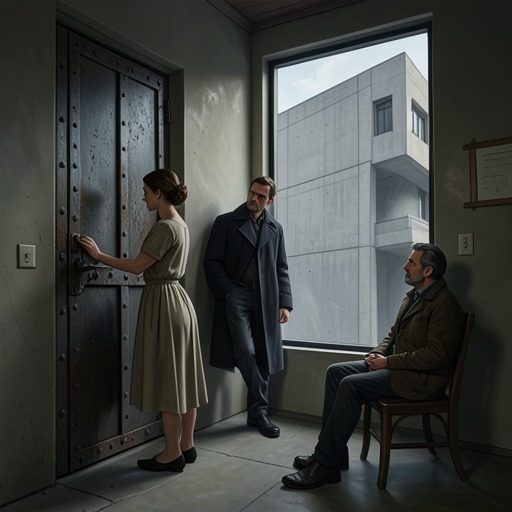
Isobel and Dominic marry
When You Were MineIsobel and Dominic marry after a proposal that brings their private desire into direct contact with Isobel’s doubts and the legal threats surrounding her past. Their wedding is both a personal choice and a public change of status: Isobel becomes Dominic’s wife, while a disputed betrothal to DeLisle and the misuse of guardianship continue to shadow what marriage can mean in their story.
Background and Stakes
Isobel’s path to marriage has been shaped by coercion as well as affection. Recalling the afternoon Rupert arrived at Willowbrook, she explains that he claimed Peter had died in Norfolk and that he had therefore become her guardian. He gave her little time to pack and pressured her to leave, threatening that Elspeth should be sent to an asylum if Isobel resisted. Isobel agreed to go only after securing Rupert’s promise that Elspeth could remain at Willowbrook. Her account establishes the vulnerability that makes the question of consent consequential: a guardian’s assertion of authority has already been used to control where Isobel lives and what choices she can make.
That earlier abuse is connected to a separate attempt to dictate whom she should marry. Isobel later recalls that Rupert tried to force her to sign a betrothal document naming DeLisle as her intended; she refused, and the men present understand from the account that she suffered for that refusal. Peter, for his part, says he was Isobel’s legal guardian when the alleged marriage to DeLisle took place and had never authorized her to marry anyone except Lord Havistock. He also claims to possess papers, signed and witnessed by magistrates, recording Isobel’s betrothal to Dominic some three years earlier. These are claims made in the course of the confrontation, not an independent legal ruling, but they show why Isobel and Dominic’s marriage carries stakes beyond its ceremony.
Proposal and Consent
When Dominic proposes, his manner is tender but not detached from the urgency of their situation. He asks Isobel to marry him while kissing her jaw, aware that she is weighing their future. Isobel recognizes that unresolved matters remain, yet accepts on the condition that Dominic is certain marriage is the right course. Her answer is a deliberate decision, not a simple release from doubt.
The uncertainty she is weighing concerns his feelings as much as the practical consequences. Isobel believes she loves Dominic, but fears that he may care for her without loving her in return. She doubts that such a marriage would be enough, even as she is tempted by his persuasive closeness, and wonders whether she can hold out for the fuller commitment she wants. Dominic’s proposal and her acceptance therefore do not erase the emotional imbalance she fears; they make the choice between hope and uncertainty immediate. His heartfelt relief after she agrees, and the weight he feels lift from his shoulders, show how much the answer matters to him.
The couple does not wait long. Dominic says that the roads are too poor for his parents to travel from Berkshire at once, while his brothers are expected on horseback within days. He tells Isobel that he does not want to wait another minute and that, having nearly lost her once, he will not make the same mistake again. This is not the declaration of love she hoped would settle her concern. She accepts his reassurance for the moment, but the lingering unease remains as she falls asleep beside him.
The Wedding
Two days later, Isobel stands before a vicar as Dominic slides a simple gold band onto her finger. The vicar pronounces them man and wife and invites the kiss that confirms the ceremony’s change of status. Dominic sweeps Isobel into his arms and kisses her amid the raucous cheers of assembled family members and staff. Within minutes, the gathering has returned to the house for a magnificent banquet. The scene moves from the formal words of the ceremony to public celebration: the marriage is not only a promise between the two of them but a bond recognized by the people gathered around them.
The celebration does not prevent the day’s enormity from catching up with Isobel afterward. Late that evening, alone in the master suite as she waits for her new husband, she sits on a window seat and stares into the night sky, absorbing that she is now married and the new Lady Havistock. Her inward pause contrasts with the noisy cheers and banquet. The wedding has happened swiftly, and its consequences are real, even while she is still trying to take in the transformation.
Dominic’s brothers, Edward and Sebastian, have arrived before the ceremony. Isobel is charmed by them; both are tall, handsome, good-natured, and possessed of an effortless charismatic charm. They spend much of their visit teasing their elder brother about his impatience to get Isobel up the aisle. Their welcome supplies a familial counterpoint to the hostile family authority Isobel has experienced through Rupert: here, the marriage is met with jocularity and warmth rather than threat.
Disputed Documents and Later Understanding
The wedding does not make the earlier marriage claims disappear. When Rupert and DeLisle later challenge Isobel’s marital position, Peter places himself between the men and invokes his authority as her guardian. He argues that Isobel could not lawfully have married DeLisle without permission and points to the previously drawn-up, signed, magistrate-witnessed papers recording her betrothal to Dominic. His intervention frames the marriage as both an intimate commitment and a point of conflict over who had the right to decide Isobel’s future. The episode leaves the alleged DeLisle marriage to be investigated rather than presenting Peter’s claim as a completed judicial finding.
Later, in a quiet exchange with Dominic, Isobel asks whether he believed the marriage documents were real. He admits that at first he did, because she had been desperately ill when she arrived and he could not be certain whether trauma had made her unwilling to acknowledge a marriage to DeLisle. He says that this doubt lasted only moments: knowing Isobel led him to conclude that she would never knowingly enter a bigamous marriage. His answer retrospectively joins trust to their wedding story. The papers had briefly made her past seem capable of invalidating their bond, but his knowledge of her character overcame that suspicion.
In the same later conversation, Isobel tells Dominic that she has loved him from the moment they met and will love him for the rest of her life; he answers that he loves her. That mutual declaration provides the emotional certainty she lacked when she accepted his proposal. The wedding marks their public union, while this later exchange makes explicit the reciprocal love that her earlier doubts could not yet establish.